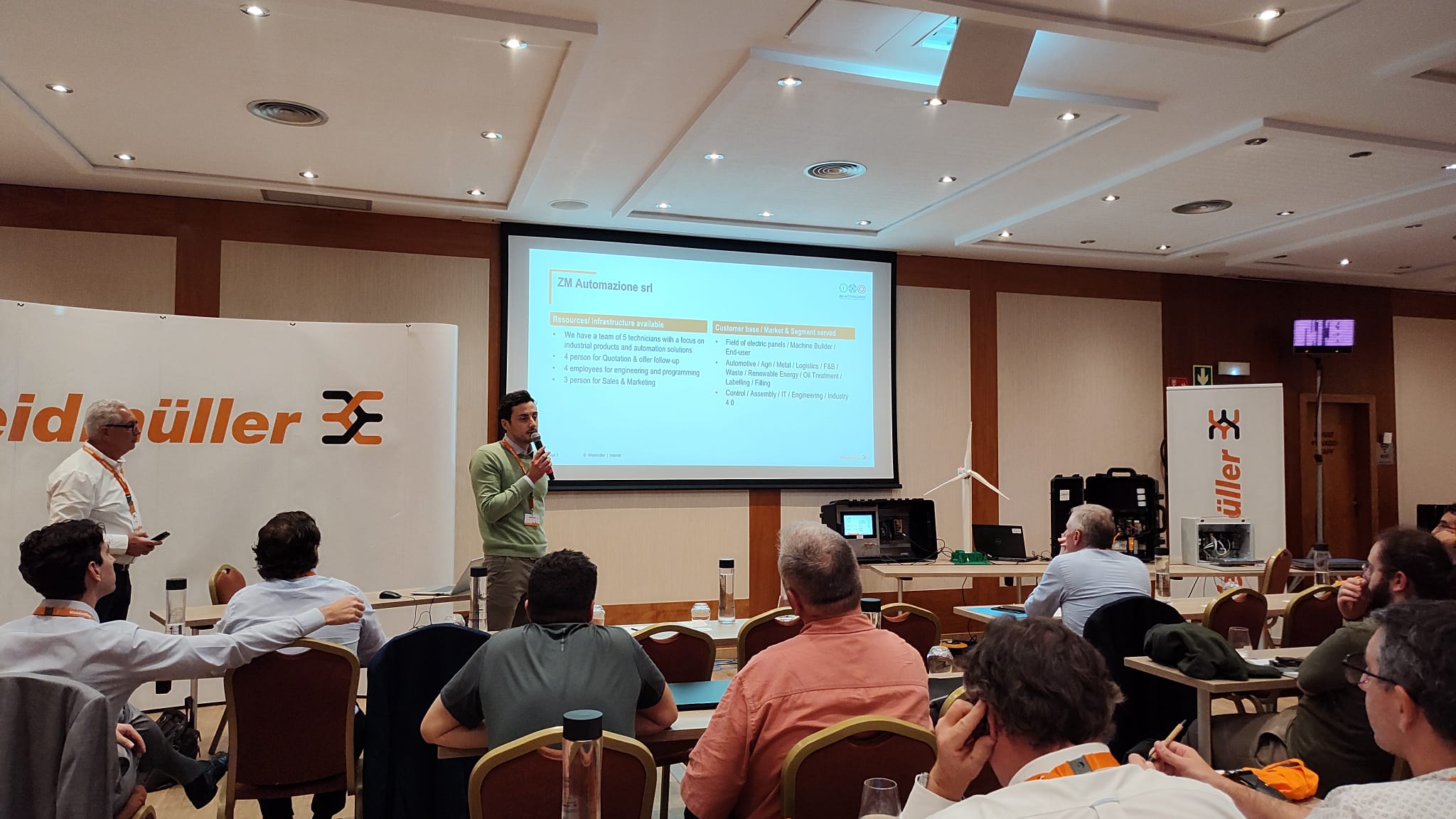
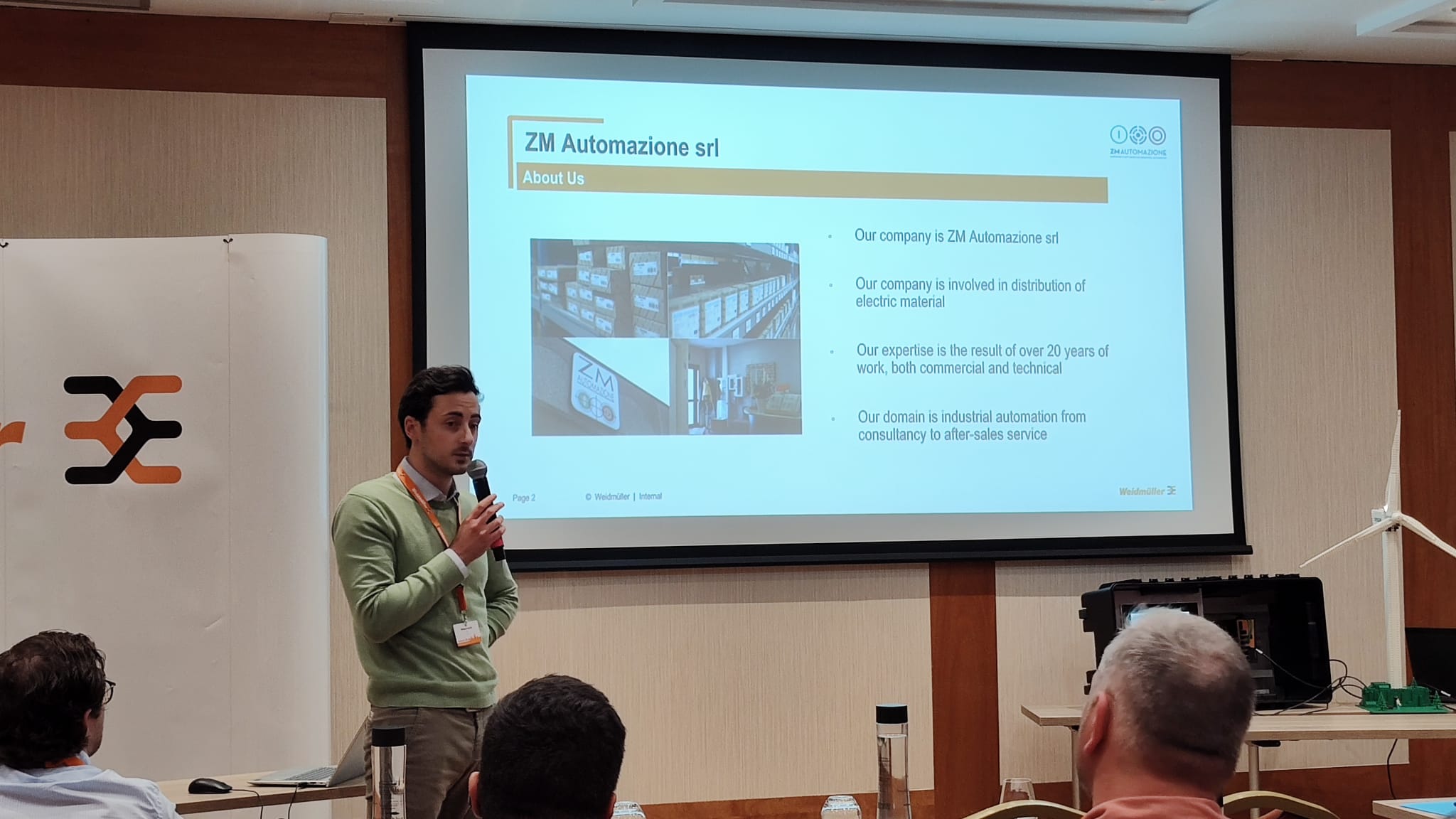
IIoT Partner Event – South Europe
November 5–7, 2025
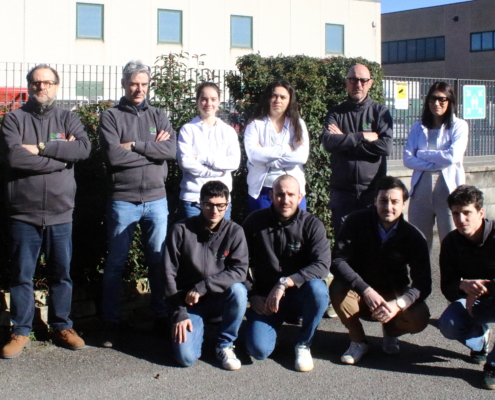
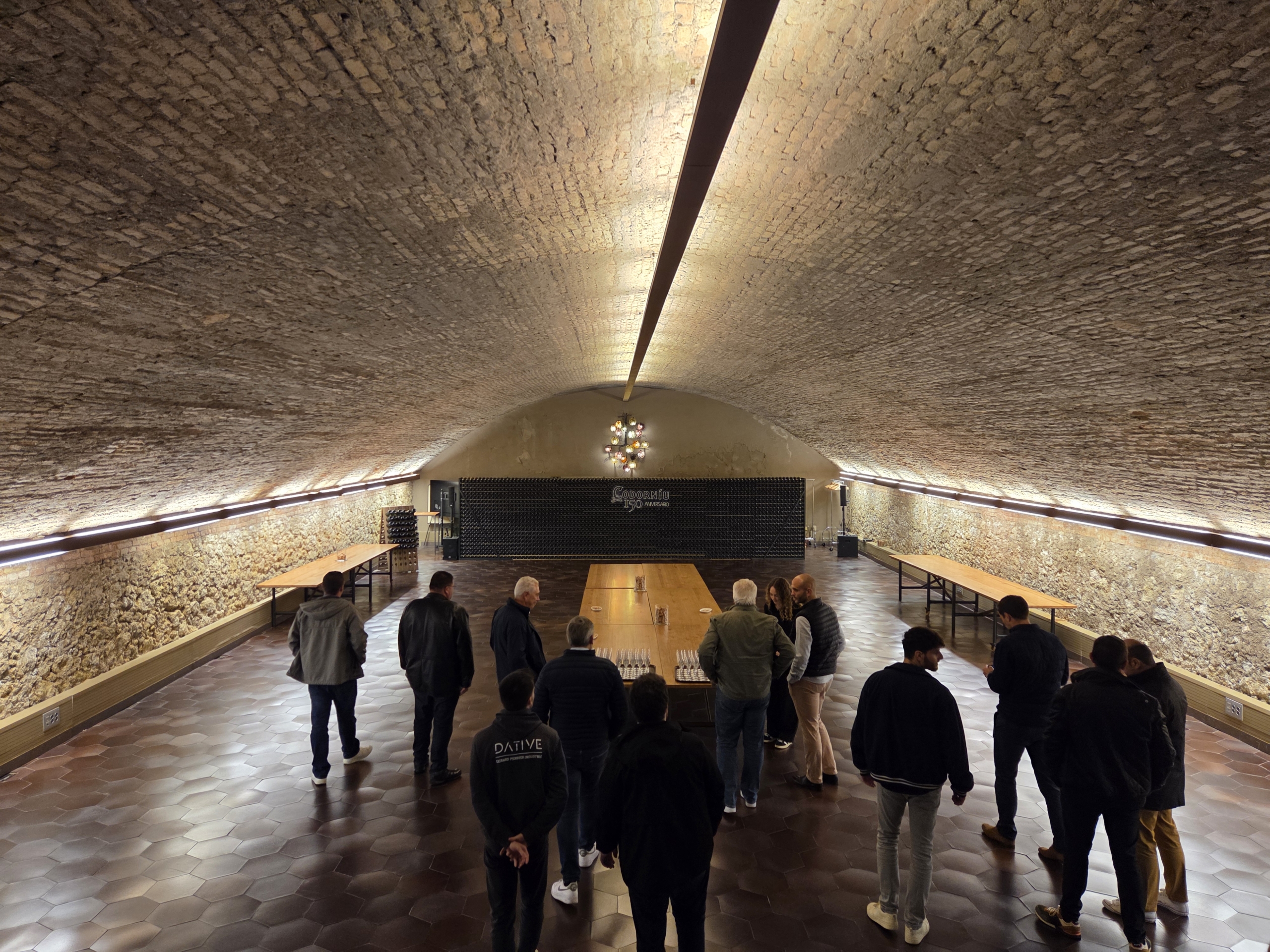
ZM Automazione played a leading role in Barcelona at the IIoT Partner Event – South Europe organized by Weidmüller. It was three intense days immersed in the heart of technological innovation, allowing us to experience firsthand the future of industrial automation and the Internet of Things.
The event held November 5–7 provided a valuable opportunity to stay up to date on both technical and strategic developments, with a focus on the latest updates to the Partner Program and the most recent technologies.
The day on November 6 got off to a strong start with in-depth discussions on u-OS & Data-HUB, along with sessions dedicated to u-OS and the BAC-Net APP—both essential for system integration—and an overview of building infrastructure solutions. This provided a clear picture of today’s most relevant architectures and applications.
Particularly significant was the discussion on Cybersecurity, which reaffirmed how data security has now become a structural element in any connected system.
The dialogue among partners allowed for the sharing of approaches and operational perspectives, while the final day focused on specific application areas such as Data Centers and Water & Wastewater, as well as tools like Procon Connect and the new software evaluation kits, which are set to be integrated into workflows.
We return from Barcelona with a wealth of new expertise and, above all, with the confirmation that the path of collaboration with partners like Weidmüller is the right one. For ZM Automazione, this was not just a business trip, but an important opportunity for growth to continue guiding our customers toward digital transformation with expertise and vision.
Our Success Stories
Our projects are born from our collaboration with leading brands in the automation sector and with our customers. Through targeted partnerships, we develop reliable, cutting-edge solutions, always delivering tangible value to our customers.
The Energy of the Future is Circular: HOW A BIOGAS PLANT WORKS
The Energy of the Future Is Circular: How a Biogas Plant Works
In the context of the energy transition, biogas represents one of the most concrete and efficient solutions for transforming waste into resources. It is not just about producing clean energy, but about closing the loop of the circular economy by repurposing agricultural, livestock, and industrial waste.
But what exactly happens inside a plant of this type? And, above all, how does such a complex process function harmoniously and without interruption?
The Heart of the Process: From Matter to Flame
A biogas plant is a sophisticated bio-mechanical ecosystem. The main process is anaerobic digestion: in the absence of oxygen, bacteria “eat” the organic matter inside large tanks called digesters.
The main stages:
- Feeding and Mixing: Biomass (such as manure, plant waste, or wastewater) is fed into the system.
- Digestion: Inside the digester, at controlled temperatures, bacteria break down the material, producing a mixture of gases (primarily methane and CO₂).
- Storage and Filtration: The gas is collected in the pressure vessel (the plant’s dome) and purified to remove impurities such as hydrogen sulfide.
- Cogeneration: The purified gas powers an engine that simultaneously produces electricity (to be fed into the grid) and heat (which can be used for heating).
Our Contribution: The Plant’s Digital “Brain”
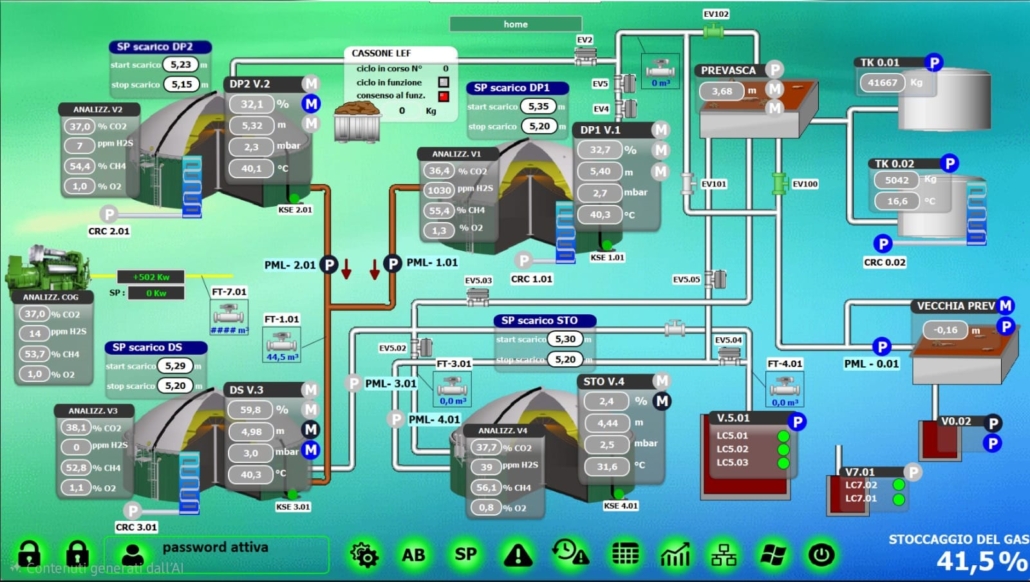
If the mechanical structure is the body of the plant, the software is its nervous system. For this project, our company handled the entire development of the control logic and the graphical interface (HMI/SCADA) for the entire process.
Managing a biogas plant isn’t just about “turning on a motor,” but constantly monitoring delicate chemical and physical variables. Here’s how we approached it:
1. Process Logic and Automation
We developed the PLC software on a Siemens 1512 CPU to automate every step. Our logic ensures that the biomass feed rate remains constant, that the temperature in the digesters stays optimal, and that every pump or mixer works in perfect synergy, preventing blockages or malfunctions that could compromise the plant’s biological processes.
2. Graphical Monitoring and User Experience
Powerful software is useless if it is not understandable. We designed an intuitive graphical interface that gives operators a real-time overview.
- Interactive synoptics: Visual representation of piping, valves, and motors.
- Alarm Management: Immediate notifications for even the slightest change in pressure or temperature.
- Data Logging: Data collection to analyze historical performance and optimize consumption.
The graphical software was developed on a Siemens Advanced Runtime and installed on an industrial PC.
“The efficiency of a biogas plant is not measured solely in kWh produced, but in the long-term stability of the process. Our software was custom-built to ensure this stability.”
Conclusion
Innovation in the field of renewables inevitably involves digitalization. Thanks to our experience in software development, we have transformed a series of complex chemical processes into a system that can be managed with a simple touch on a screen, taking efficiency, safety, and sustainability to a new level.